For mechanics · Customer service
What good mechanics explain to customers
An owner should understand the work before agreeing to it. Make explanations part of the service, from the first quote to the final handoff.
By FixMyWhip · 3 min read · Published
Begin with the owner's concern
A customer can hear a new noise without knowing what causes it. They can also be worried about the bill, how long they will be without the car, and whether they can explain the problem properly. Your technical judgment matters most when the owner can understand what it means for those concerns.
Start by listening. Ask when the symptom began, how often it appears, and what work has already been done. Keep the owner's observations separate from a diagnosis. If you need to inspect the vehicle before reaching a conclusion, explain what that inspection will establish and what remains unknown.
Write a quote that stands on its own
The owner may read your proposal at the end of a long day, without you beside them to fill in the gaps. Name the work, explain the labor and parts, and state the assumptions behind the amount. Make it obvious whether you are proposing an inspection or a defined repair.
FixMyWhip provides structured quote information for approved mechanics, including labor, parts, deposit, final balance, estimated completion, and warranty notes. The fields organize the proposal; your explanation makes it intelligible. Before sending, ask whether someone unfamiliar with the trade could tell what they would be paying for.
A completion estimate should reflect what you know. If the plan depends on an inspection or a part, name that dependency. Precision in the wording is more valuable than a firm date the work cannot yet support.
Separate the finding, recommendation, and decision
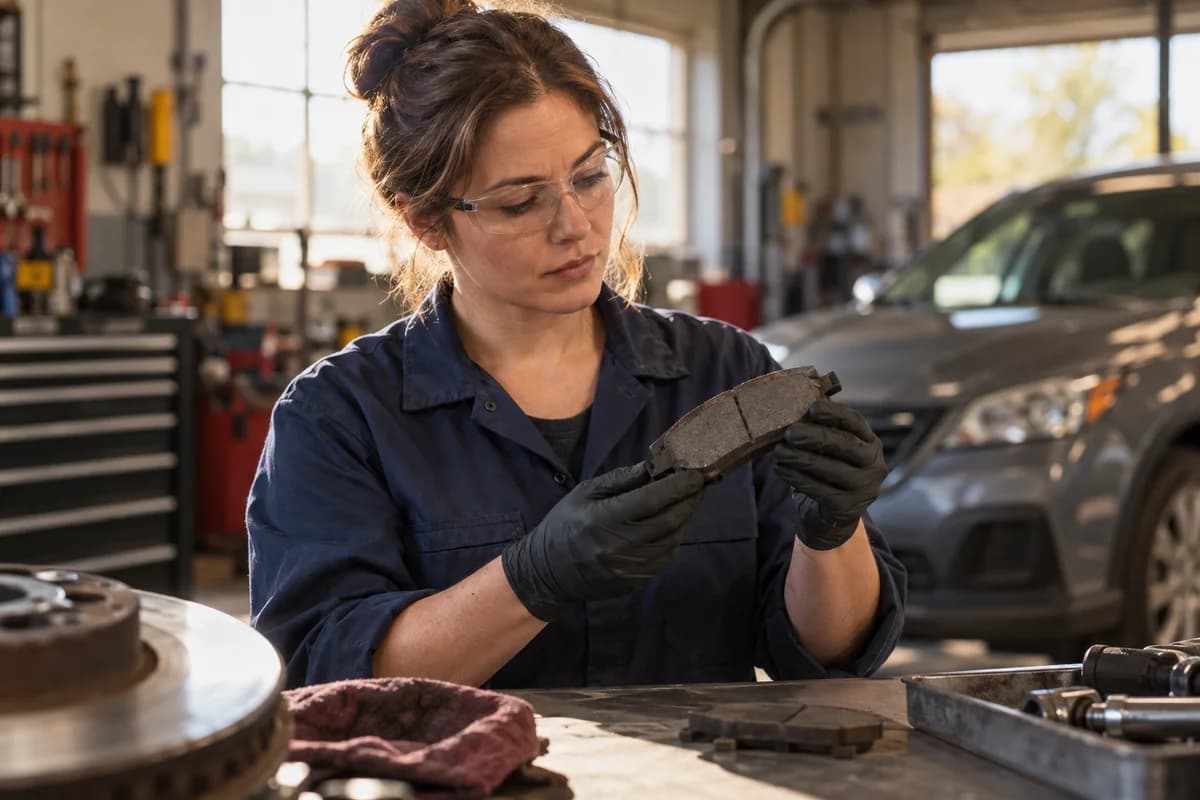
When inspection changes the plan, explain three things in order: what you found, what you recommend, and what the recommendation changes. Connect the finding to the original symptom where that connection is known. A relevant photo can help, but it should support an explanation rather than replace one.
Be explicit about any change to the work, amount, or estimated completion. Then identify the decision you need from the owner. Discussing a possible repair is different from agreeing that it should go ahead. Keep the explanation and the owner's response with the job.
Give an update the owner can plan around
An owner waiting for news may be arranging a lift or deciding whether to borrow another car. A short update should answer the practical question, even when you do not yet have a solution.
For example, compare “Waiting on parts” with: “The part hasn't arrived, so the car won't be ready today. I'll check with the supplier tomorrow morning and update you by noon.” The second message explains the delay, its effect, and when the owner will hear from you. It makes a modest commitment you can keep instead of guessing at completion.
After a quote is accepted, FixMyWhip opens messaging between the owner and selected mechanic. Use the job conversation for these updates and return when you said you would, even if the news is that you are still waiting.
Make the handoff an explanation
At completion, connect the finished work to the original request. Explain what was done, anything still outside the agreed scope, and any follow-up recommendation. Describe warranty terms as they actually apply to the work.
Give the owner room to ask a final question and keep the completion record current. The same standard runs through the whole service: the owner should know what is proposed, what changed, what they agreed to, and what was completed.
Explore FixMyWhip
Check the app’s release status or learn how mechanics participate in FixMyWhip.